
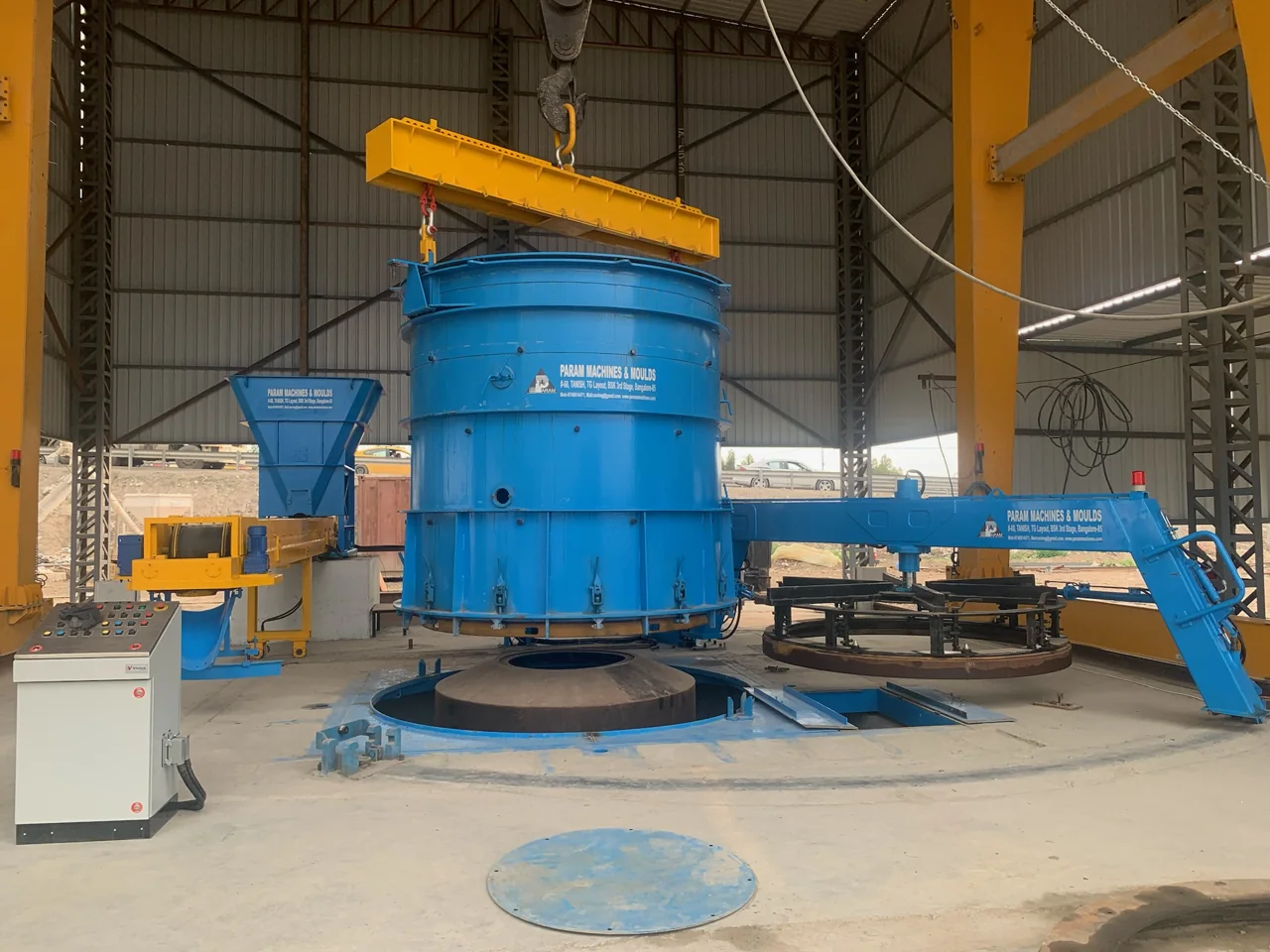
Your starting point
Start with the approved pipe or culvert schedule and the specification named by your customer. Then define the production mix, moulds, utilities and acceptance exercise needed for a useful quotation.
Turn the order book into a production mix
Separate recurring product sizes from project-specific items. For RCC pipes, record diameter, length, joint detail and drawing revision. For culverts and drains, include the internal opening, wall arrangement, joint and lifting requirements approved by the designer. Keep provisional sizes visibly separate from confirmed work.
Estimate deliveries by product family and month before asking for a daily-output figure. Include the existing line, staffing, concrete supply and the frequency of size changes. This helps identify whether the immediate requirement is new machinery, another mould set, more compatible pallets or a different production sequence.
Put the specified standard beside the drawing
BIS lists IS 458:2021 for precast concrete pipes with or without reinforcement. Check the contract edition, amendments, product category and acceptance requirements with the responsible technical team. A machine purchase alone does not establish finished-pipe compliance.
For box culverts and U-drains, ask the project designer which structural and authority requirements govern the order. Do not adopt a pipe specification simply because the proposed component is made in the same factory. The standards buyer guide explains the difference between a product specification and other design references.
Resolve the installation work before delivery
Give Param the factory location and an actual layout, including concrete supply, reinforcement preparation, lifting, curing and dispatch. Identify constraints such as access for unloading, existing foundations and equipment that must keep operating during installation.
Ask the quotation to name responsibility for civil works, utilities, unloading, installation, commissioning and training. Record what a representative trial will produce and how results will be accepted. These decisions make competing proposals easier to compare than a headline equipment price.
Read infrastructure programmes at package level
Water and drainage programmes can identify a market to investigate. The next step is to find the implementing authority, package drawings and product schedule. Municipal demand does not establish that concrete pipe is specified, or that a contractor intends to buy a machine.
Use the official project source and procurement portal linked below. Record the notice date, amendments, status and the likely buyer of the finished product. Our Infrastructure Watch keeps programme evidence separate from claims of open machinery orders.
Also follow the relevant state, municipality and utility portal. Programme approval is not a current bid invitation.
Prepare your machinery brief
- Approved product and joint drawings, specification editions and intended testing.
- Order mix by size and delivery period, with estimates labelled.
- Existing equipment, available utilities, lifting and a factory layout.
- Requested machine, mould, pallet and support scope, with acceptance responsibilities.
Official references
Sources checked 30 October 2026. Use the edition and documents required by your project; this guide does not certify equipment or a finished product.