Product geometry
Work from agreed dimensions, joint details and component drawings.
THE SHAPE OF PRECISION
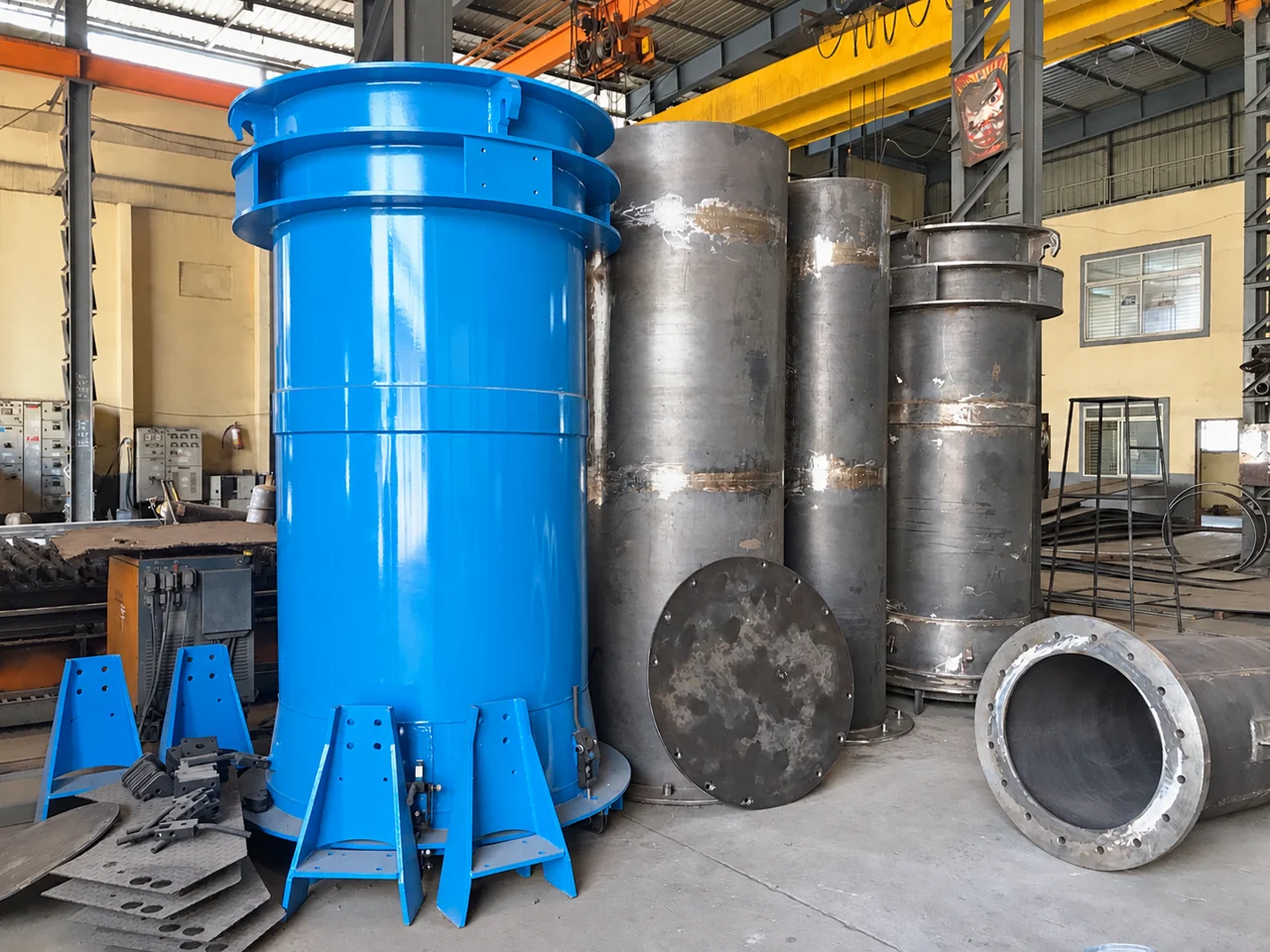
The right mould starts with the finished product. Param manufactures steel moulds, cores and pallets for concrete pipes and other precast components. Define the geometry, machine interface and demoulding method before finalising the design.
Metric · mm / m / L
India / production brief
Bring your RCC pipe or precast product schedule into the equipment discussion. Identify the specified IS reference and product class, dimensions in millimetres, joint drawings and production mix. Param’s team in Bengaluru can discuss the machine, moulds, pallets and factory requirements together.
Metric · mm / m / L
Define the equipment scope
Work from agreed dimensions, joint details and component drawings.
Check the mould arrangement against the machine, pallet and core interfaces.
Review assembly, release, lifting access and access for cleaning.
A better brief. A better starting point.
These details help us understand your project and prepare a relevant equipment discussion.
Prepare your enquiryDimensions, capacity, output and supplied features are confirmed for the selected configuration in the quotation.
Questions, answered
Yes. Include machine drawings, interface dimensions and photographs of the existing moulds. Compatibility should be confirmed before an order is placed.
The joint is part of the product geometry and affects the mould and pallet design. A diameter alone does not fully describe the required moulds.
Provide the product drawing, required tolerances, casting method, intended machine and handling approach. Agree on the final drawing and scope before manufacture.
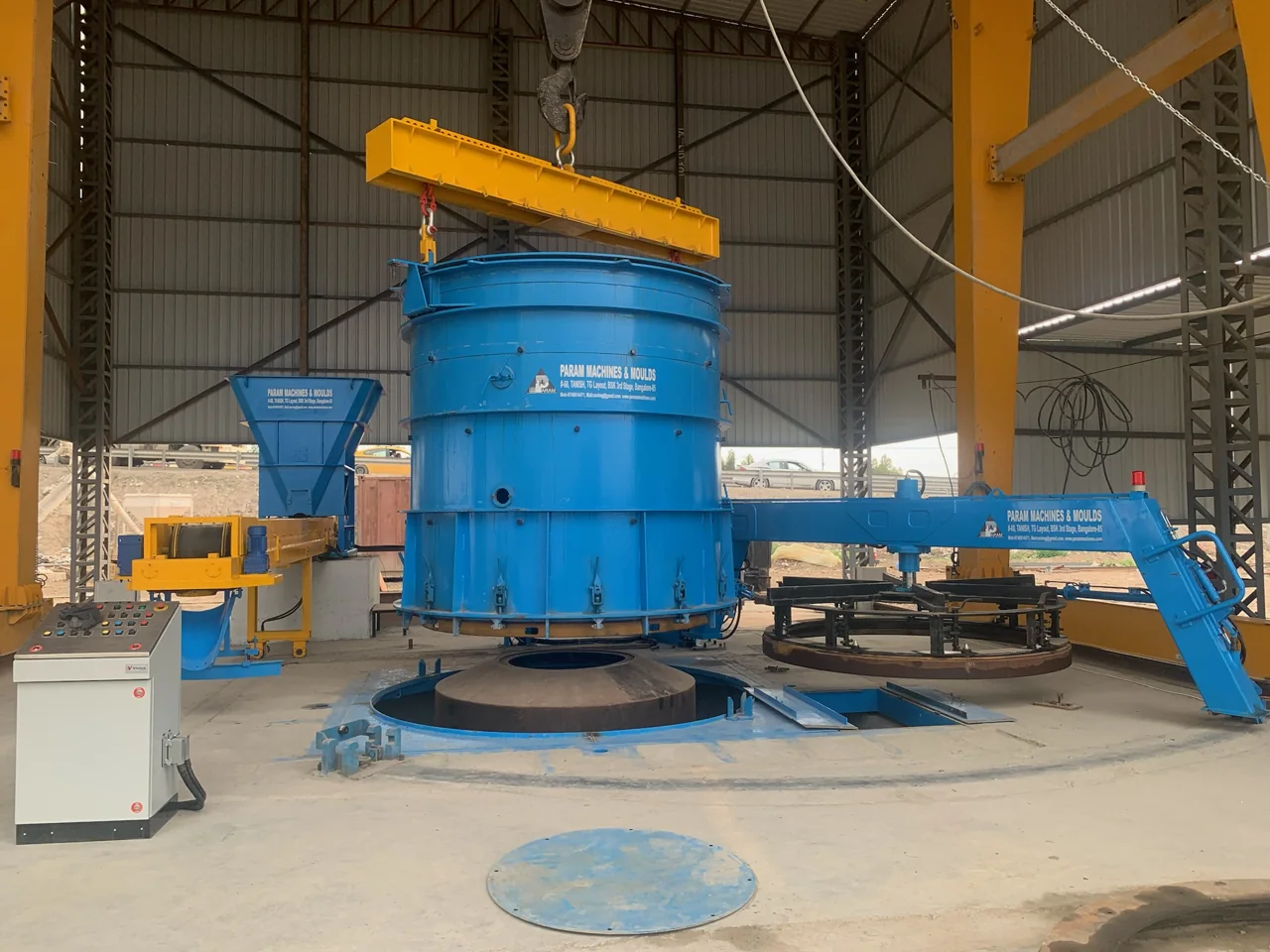
Vertical vibration concrete pipe machinery, jacking pipe moulds and steel pallets, configured around your pipe range.
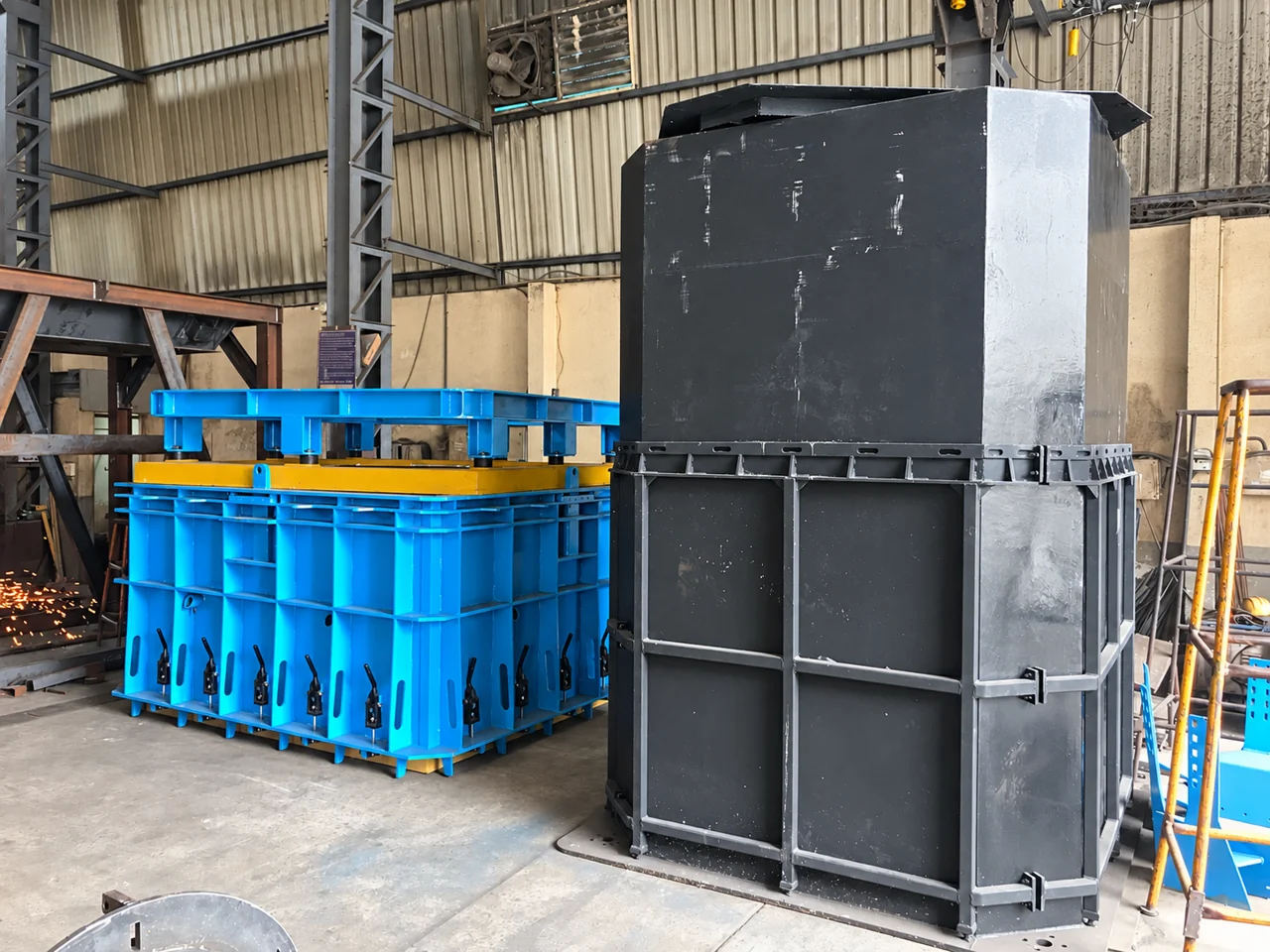
Machinery and moulds for box culverts and U-shaped drainage channels, configured around your infrastructure project.
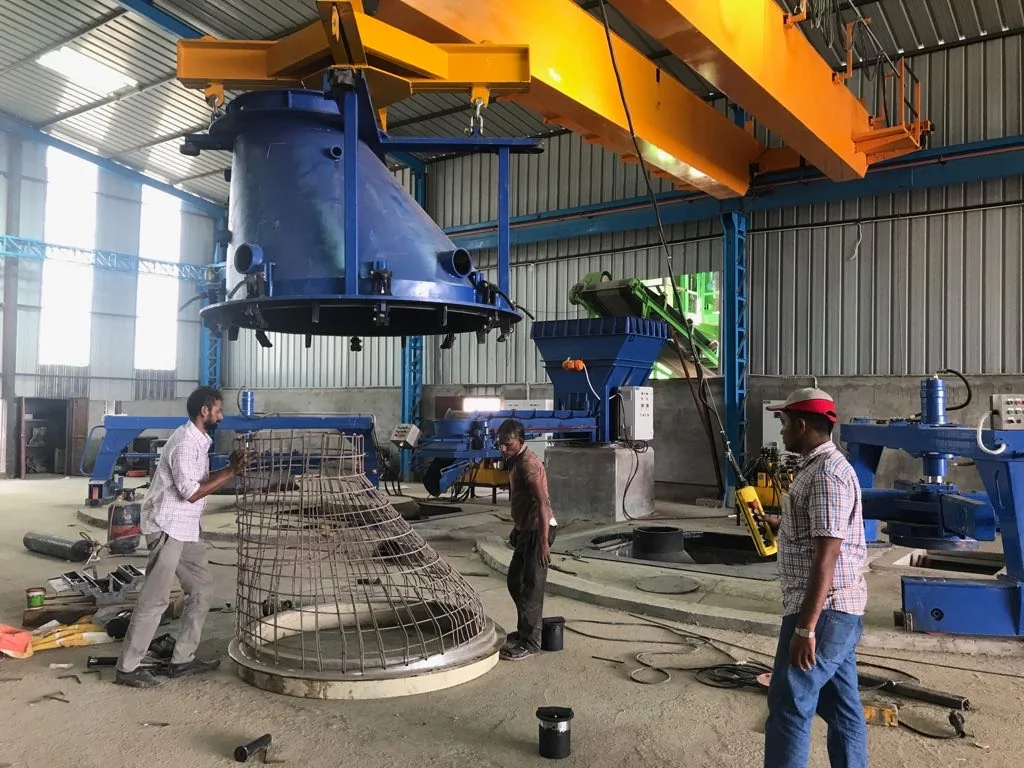
Production equipment and moulds for concrete manhole components used in drainage and utility networks.
Tell us what you want to make. Let’s discuss the equipment to make it happen.